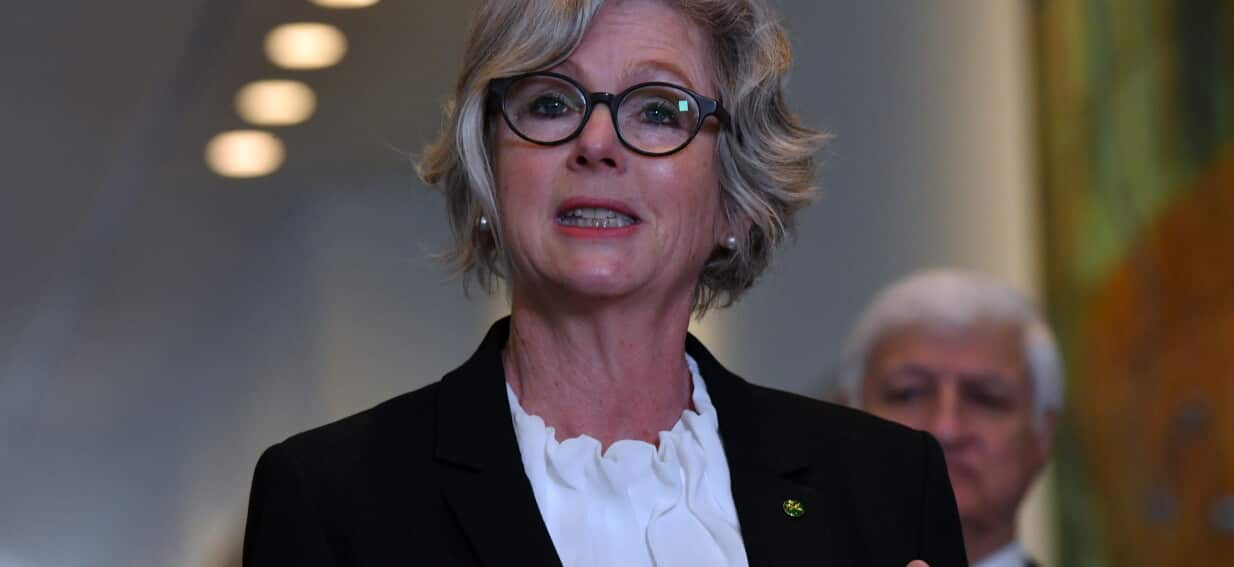
Helen Haines condition has shown signs of improvement after the alleged attack, but she remains in serious condition, prompting a nation‑wide conversation about safety for public officials.
Background to the incident
On Monday morning, the Member for Indi, Helen Haines, was reportedly assaulted outside her local electorate office in Melbourne. Witnesses say a lone individual approached her, shouting accusations before delivering a physical blow that sent her to the hospital. Police have opened a criminal investigation, treating the case as a potential assault with intent to cause grievous bodily harm.
Medical update from the hospital
Haines was admitted to the Royal Melbourne Hospital's trauma unit where she underwent a series of scans and a minor surgical procedure to address a concussion and facial bruising. Doctors have confirmed that while her injuries are not life‑threatening, she remains under close observation for possible complications such as swelling or delayed neurological effects. "Her vital signs are stable and we are seeing a gradual improvement," said senior registrar Dr Maya Patel. "However, we are proceeding with caution given the nature of the trauma."
Political repercussions
The attack has sparked an immediate response from the federal parliament. Prime Minister Anthony Albanese condemned the act, describing it as "an affront to our democratic values and the safety of those who serve the public." The opposition leader echoed the sentiment, urging a bipartisan review of security protocols for MPs and staff. Within hours, the parliamentary security office announced a new programme to enhance protective measures at constituency offices across the country, including upgraded alarm systems and increased liaison with local police forces.
Community reaction
Residents of Indi and the wider Australian community have rallied around Haines, organising vigils and online petitions calling for stricter penalties for attacks on public officials. A Facebook group titled "Support Helen Haines" quickly amassed over 12,000 members, sharing messages of solidarity and updates on her recovery. Local businesses have displayed signs reading "We stand with Helen" outside their premises, while a candlelight ceremony was held at the town hall on Tuesday evening.
Legal implications and next steps
Police have identified a suspect based on CCTV footage, but the individual has not yet been apprehended. The investigation is being overseen by the Victorian Police Serious Crime Squad, which has pledged to bring the perpetrator to justice swiftly. Legal experts suggest that, should the case proceed to court, the assault could be charged under the Criminal Code's provisions for "assault causing bodily harm" and potentially "terroristic threats" if motive is deemed politically driven.
What this means for parliamentary security
The incident has reignited debate over the adequacy of current security arrangements for MPs. A recent Senate inquiry recommended the establishment of a dedicated parliamentary protection unit, modelled after the UK’s Parliamentary Security Service. Critics argue that funding constraints have left many regional offices under‑protected, especially in rural electorates where police response times can be lengthy.
Looking ahead
While Haines remains in a serious but improving state, her team has assured constituents that she will return to her duties as soon as medically advisable. In a brief statement released from the hospital, Haines expressed gratitude for the outpouring of support and reaffirmed her commitment to representing the people of Indi. "I will continue to fight for our community's health, education and regional development," she wrote, adding that the attack will not deter her from public service.
As Australia watches this unfolding story, the broader conversation about the safety of elected officials and the resilience of democratic institutions continues to evolve. The hope is that lessons learned from this unsettling episode will lead to stronger protective measures, ensuring that public servants can perform their roles without fear of violence.
Comments
Post a Comment