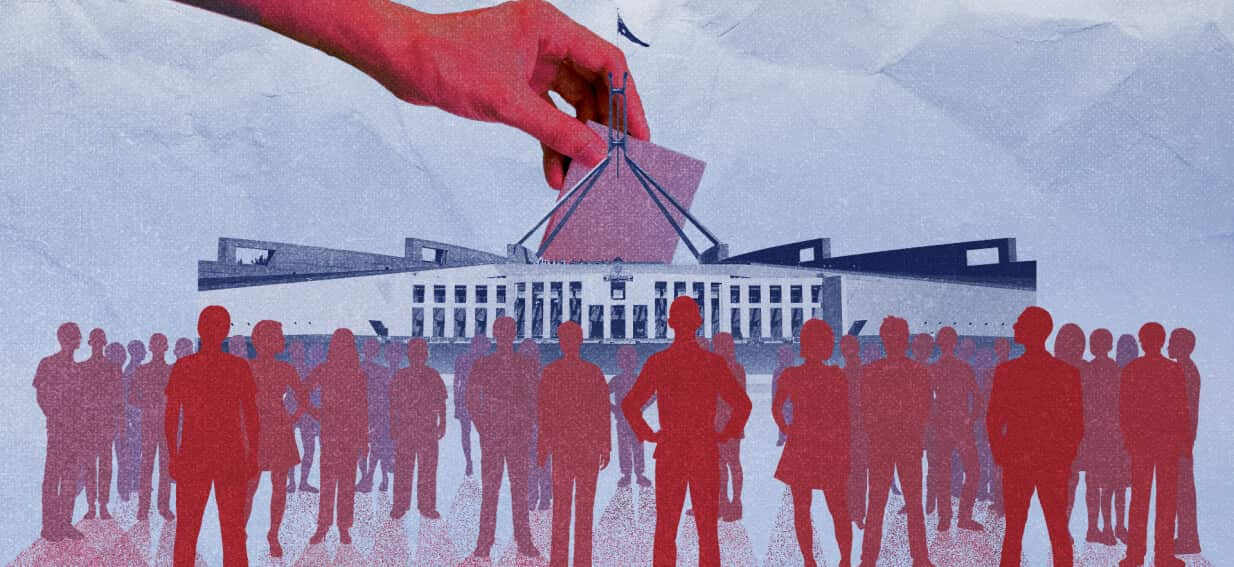
trust in democracy is being tested as Australians grapple with widening social and economic divides.
Recent surveys show a steady decline in confidence that the political system represents ordinary citizens, with the Australian Electoral Commission reporting that fewer than half of respondents feel the government listens to their concerns. This erosion of confidence is not random; it mirrors deepening fault lines across income, geography, culture and media consumption.
Economic inequality and political disengagement
Australia’s wealth gap has expanded markedly over the past decade. While property values in Sydney and Melbourne have surged, many regional and outer‑suburban families face stagnant wages and rising living costs. A 2024 study by the Grattan Institute found that households in the lowest income quintile experience a 30% lower rate of voting in federal elections compared with the top quintile. When everyday financial pressures dominate, the incentive to engage with policy debates diminishes, feeding a perception that politics is a game for the affluent.
Cultural fault lines and identity politics
Beyond economics, cultural debates over immigration, climate policy and Indigenous recognition have sharpened. Polling by the Lowy Institute indicates that younger, urban voters tend to prioritise climate action and multiculturalism, whereas older, regional voters place greater weight on traditional values and resource‑based industries. These divergent worldviews create echo chambers where each side questions the legitimacy of the other’s political preferences, further eroding a shared sense of democratic purpose.
Impact of media fragmentation
The media landscape has undergone a rapid transformation. Traditional broadcasters such as the ABC and SBS now compete with a plethora of online platforms, many of which are driven by algorithmic feeds that amplify sensationalist content. A 2023 report from the Australian Communications and Media Authority warned that misinformation spreads faster than factual reporting, particularly on social networks favoured by younger audiences. When citizens encounter conflicting narratives about the same event, trust in the institutions that curate information – including parliament and the judiciary – can wane.
Regional disparities and the sense of being left behind
Geographic isolation remains a potent factor. Residents of remote Indigenous communities and outback towns often report feeling excluded from national decision‑making processes. Recent infrastructure projects, such as the expansion of the National Broadband Network, have been lauded in urban centres but criticised in remote areas for slow roll‑out and inadequate consultation. This sense of neglect fuels a narrative that democracy favours the coastal megacities, prompting calls for decentralised governance models.
What can be done to rebuild trust?
Experts suggest a multi‑pronged approach. Firstly, electoral reforms that enhance proportional representation could ensure that smaller parties and minority voices gain a foothold in parliament, making the system feel more inclusive. Secondly, civic education programmes in schools and community centres should be revitalised to emphasise the practical impact of voting and public participation. Thirdly, media literacy initiatives, backed by both government and private sector, can equip citizens to discern reliable information from falsehoods.
Finally, policymakers must address the underlying socioeconomic grievances that alienate large swathes of the electorate. Targeted investment in affordable housing, regional health services and renewable energy projects could demonstrate that democratic decisions translate into tangible benefits. By confronting the structural divides that currently undermine confidence, Australia can begin to restore a robust, inclusive trust in its democracy.