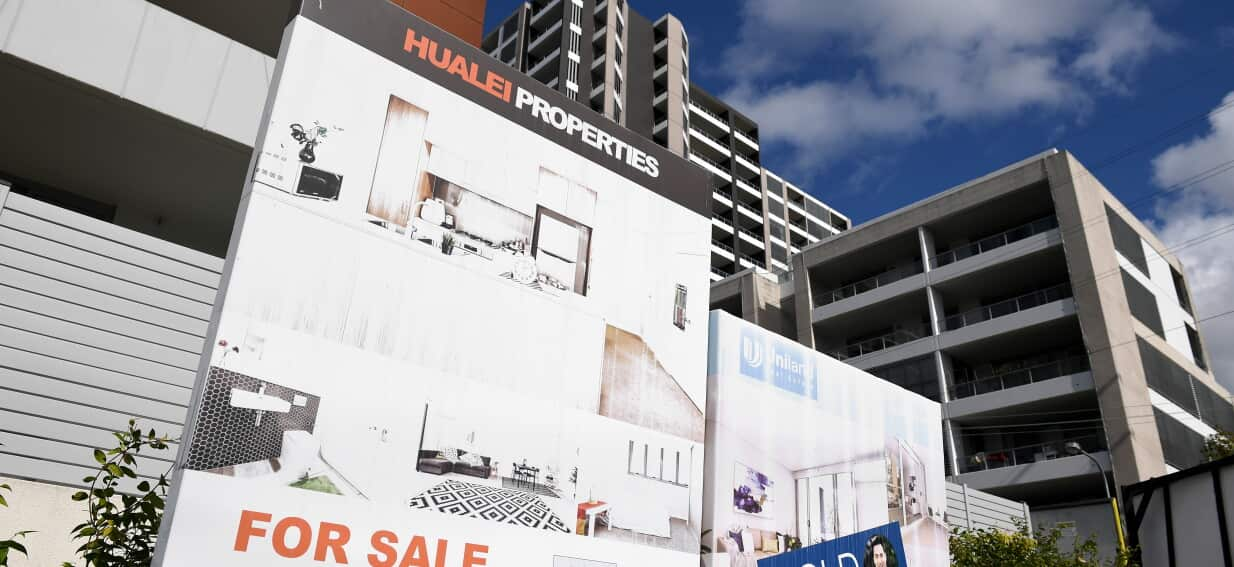
Sydney housing affordability has hit a new low, prompting fresh debate over whether homes are still within reach for ordinary Australians.
The median house price in the capital slipped to $1.05 million last month, the lowest level recorded since early 2022, according to CoreLogic data. At the same time, wage growth remains modest, leaving many prospective buyers stranded between rising costs and stagnant incomes.
The decline follows a rapid swing in interest rates that saw the cash rate rise to 4.35 per cent over the past year. Higher borrowing costs have cooled demand, forcing some sellers to lower asking prices to attract the dwindling pool of buyers. Yet the market’s contraction has not been uniform – inner‑city apartments have fared better than detached homes in the western suburbs.
Why prices have plunged
A confluence of factors has driven the price correction. First, the Reserve Bank of Australia’s tightening cycle has lifted mortgage repayments by an average of $200 a month for a typical $500,000 loan. Second, the end of pandemic‑fuelled demand, when remote work allowed buyers to chase cheaper fringe properties, has removed a key price‑supporting engine. Third, a modest increase in new‑home supply, particularly in the north‑west growth corridor, has added modest competition for existing stock.
Overseas investors, who once accounted for up to 15 per cent of high‑value purchases, have also pulled back amid tighter financing rules and a stronger Australian dollar. Their reduced activity has removed a further source of price support, especially in premium suburbs such as Double Bay and Mosman.
Impact on first‑home buyers
For first‑home buyers, the dip offers a glimmer of hope but also new challenges. While lower prices mean a smaller deposit is required, tighter credit criteria mean lenders are scrutinising income stability more closely. The Australian Bureau of Statistics reports that the proportion of households earning less than $80,000 a year – the typical threshold for first‑time financing – has risen to 38 per cent. Consequently, many aspirants are forced to consider shared‑ownership schemes or to relocate to more affordable regional markets.
The rental market compounds the pressure. Vacancy rates have fallen to 1.2 per cent in Sydney, driving rents up by 6 per cent year‑on‑year. Higher rents erode the ability of renters to save for a deposit, creating a feedback loop that stalls entry into homeownership.
What lenders are doing
Banks and non‑bank lenders have responded by tightening loan‑to‑value ratios and demanding larger cash deposits for investment properties. Some major banks now require a minimum 20 per cent deposit for borrowers with a credit score below 620, up from the previous 10 per cent threshold. At the same time, a handful of specialist lenders have introduced low‑deposit home loan products aimed at first‑time buyers, but these often carry higher interest rates or stricter repayment terms.
Mortgage stress statistics illustrate the strain: the Australian Prudential Regulation Authority recorded that 15 per cent of owner‑occupiers were in stress in the June quarter, up from 11 per cent a year earlier. Lenders are therefore cautious, balancing the desire to support the market with the need to maintain portfolio resilience.
Government response and policy options
State and federal governments are under pressure to act. The New South Wales Treasury has signalled a review of stamp duty concessions, while the federal HomeBuilder scheme, which expired in March, is being discussed for a possible extension. Housing advocates argue that increasing the supply of affordable rental units and expanding the First Home Loan Deposit Scheme could ease pressure on the market. Critics, however, warn that without addressing the underlying wage stagnation, any short‑term relief will be fleeting.
Local councils are also stepping in, fast‑tracking planning approvals for medium‑density developments and allocating land for community housing projects. These initiatives aim to boost the stock of genuinely affordable homes without compromising urban design standards.
Outlook for the next 12 months
Analysts predict that Sydney housing affordability will remain a contested space. CoreLogic forecasts a further 2–3 per cent dip in median house prices by mid‑2025 if interest rates stay above 4 per cent. Conversely, if the RBA eases policy later in the year, a modest rebound could occur, especially in suburbs with strong infrastructure projects such as the WestConnex extensions.
Demographic trends add another layer of complexity. The city’s population is expected to grow by 1.2 per cent annually, driven by interstate migration and overseas students. Sustained demand from a growing populace could offset price declines, keeping affordability challenges alive.
In summary, the new low in Sydney housing affordability signals both opportunity and uncertainty. While cheaper homes may reopen the market to some, tighter credit, modest wage growth and limited supply of truly affordable units mean that many Australians will continue to face hurdles on the path to homeownership.