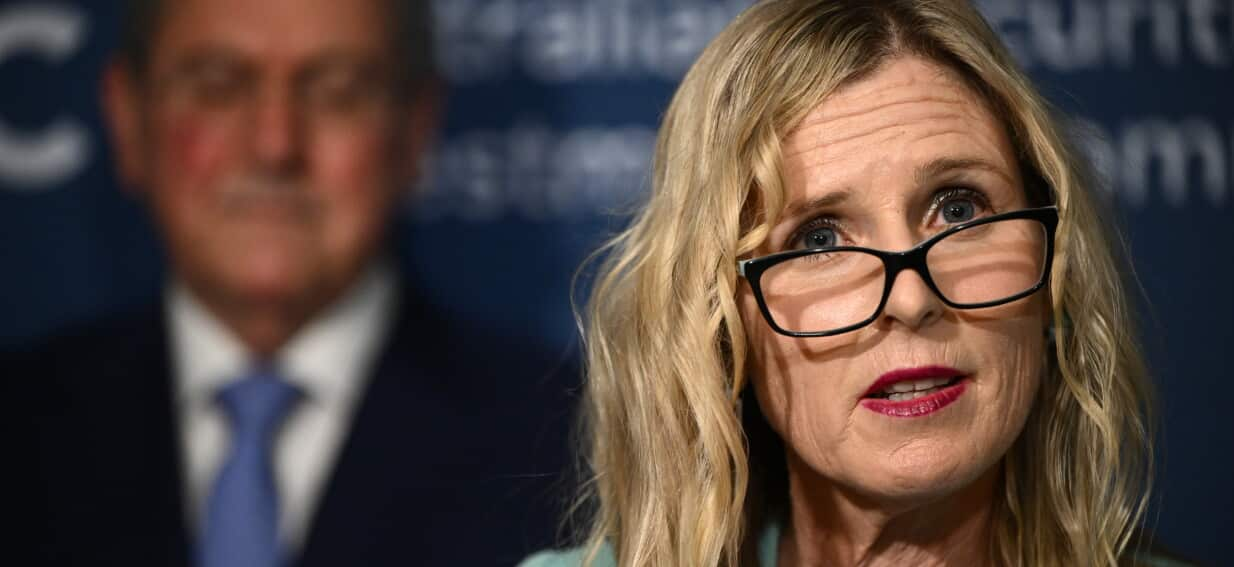
Superannuation complaints are rising sharply, prompting the watchdog to warn of systemic failures in the industry.
Rising tide of complaints
The Australian Securities and Investments Commission (ASIC) released its latest quarterly report on the Superannuation Complaints and Enforcement (SCE) programme, showing a 42 per cent jump in lodged grievances compared with the same period last year. More than 23,000 members complained about their funds between January and March, a figure that dwarfs the 16,200 recorded in the previous year. The surge is not confined to a single type of fund; it spans industry superannuation providers, retail managers and public sector schemes.
What the data reveals
ASIC’s analysis highlights three recurring themes: excessive fees, poor advice and mis‑selling of products. Fees that appear modest on paper can erode retirement balances over decades, and many members say they were not adequately informed about cost structures. Advice failures centre on advisers steering clients towards high‑cost, low‑performance options without a clear assessment of the member’s risk profile. Mis‑selling incidents involve members being enrolled in products that do not match their employment status or retirement goals, sometimes as a result of automated enrolment errors.
Industry reaction
Industry bodies, including the Association of Superannuation Funds of Australia (ASFA) and the Australian Industry Group, have urged a balanced response. They acknowledge the need for greater transparency but caution against blanket regulations that could stifle innovation. "We are committed to improving member outcomes and have already introduced a suite of digital tools to help members compare fees and performance," said an ASFA spokesperson. Nonetheless, the watchdog’s warning has reignited calls for tighter oversight of fee disclosures and adviser qualifications.
Government and regulator response
The Treasury and the Department of Finance have pledged to work closely with ASIC to tighten the regulatory framework. Minister for Finance Jim Chalmers indicated that a review of the Superannuation Complaints and Enforcement programme is underway, with a view to expanding the powers of the regulator to impose higher penalties for repeat offenders. Meanwhile, the Australian Prudential Regulation Authority (APRA) is reviewing its prudential standards to ensure that fund trustees are adequately monitoring fee structures and adviser conduct.
Advice for members
For Australians approaching retirement, the surge in complaints serves as a reminder to regularly review superannuation statements. Members should compare fees across comparable funds, verify that any advice received is documented and appropriate to their circumstances, and lodge a complaint with ASIC if they suspect misconduct. The SCE portal offers a straightforward online form, and the process is free of charge. Consumers are also encouraged to use the Australian Securities Exchange’s MySuper comparison tool, which provides a clear snapshot of fee and performance data.
Looking ahead
Analysts predict that the heightened scrutiny will lead to a gradual reduction in complaints as funds tighten their governance and improve communication. However, the underlying issues of fee opacity and adviser accountability are likely to persist until comprehensive legislative reforms are enacted. For now, the watchdog’s warning underscores the importance of vigilance among members and a coordinated effort by regulators, industry bodies and the government to restore confidence in Australia’s superannuation system.