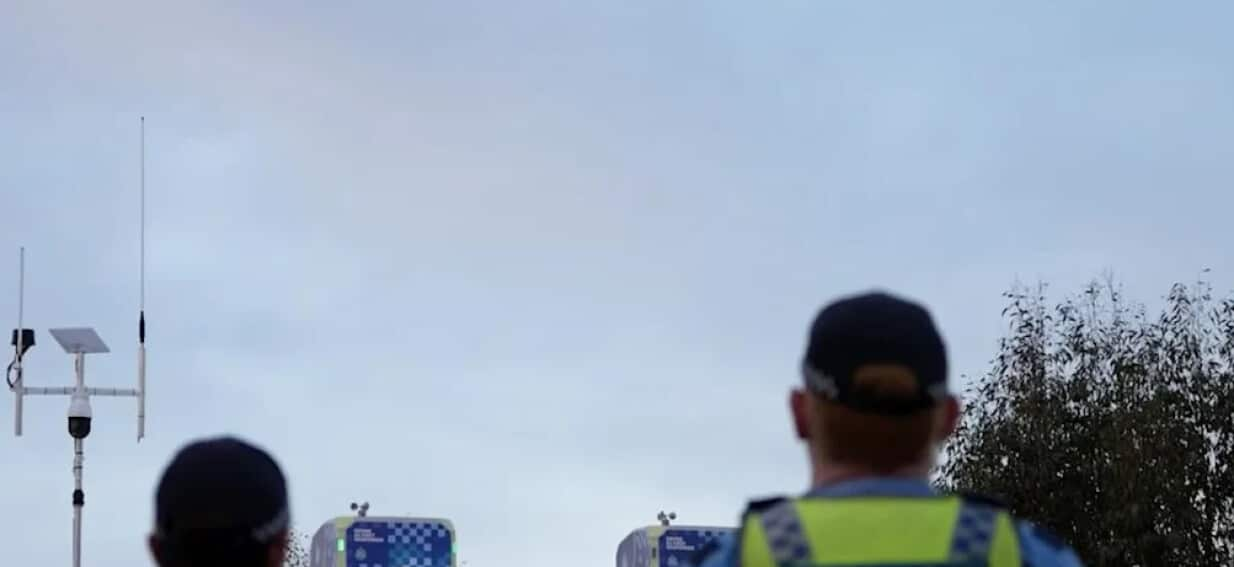
Police surveillance Australia has entered a new era, with authorities quietly expanding their digital and physical monitoring capabilities across the continent.
Why the Surge?
In the wake of high‑profile incidents ranging from organised crime busts to large‑scale protests, law‑enforcement agencies argue that a more robust surveillance framework is essential for public safety. The Australian Federal Police (AFP) and state police forces have cited the rise of encrypted messaging apps, the proliferation of drones, and the growing sophistication of cyber‑criminals as key drivers behind the push.
New Tools in the Arsenal
Recent budget allocations have funded a suite of technologies that were once the domain of intelligence services. These include facial‑recognition cameras installed at major transport hubs, AI‑driven analytics platforms that sift through social‑media chatter, and expanded powers to intercept internet traffic under the Telecommunications (Interception and Access) Act.
One notable development is the rollout of the National Integrated Surveillance Programme (NISP), a joint venture between the AFP, state police, and the Australian Security Intelligence Organisation (ASIO). NISP aims to create a unified database that links CCTV footage, licence‑plate recognisers, and mobile‑device location data, allowing officers to track suspects in real time.
Legal Safeguards or Grey Areas?
While the government maintains that these measures are under strict judicial oversight, civil‑rights groups warn that the legal framework is lagging behind the technology. The Australian Privacy Commissioner has called for clearer guidelines on data retention periods and the circumstances under which personal information can be shared between agencies.
Critics also point to the lack of a dedicated privacy impact assessment for many of the new tools. "We are seeing a classic case of technology outpacing legislation," said Dr Leanne McCarthy, a lecturer in cyber‑law at the University of Sydney. "Without robust safeguards, the risk of mission creep is very real."
Impact on Communities
For everyday Australians, the increased surveillance is a double‑edged sword. In regional centres like Townsville and Bendigo, police report a noticeable drop in violent crime after deploying mobile CCTV units and real‑time analytics. However, community groups in Melbourne and Perth have organised protests, arguing that constant monitoring erodes trust and infringes on civil liberties.
Indigenous communities are particularly concerned about the potential misuse of surveillance data. The National Aboriginal Community Controlled Health Organisation (NACCHO) has urged the government to consult with elders before expanding monitoring in remote areas, citing historical misuse of state power.
What This Means for You
If you live or work in Australia, you may already be under the watchful eye of law enforcement without knowing it. Public Wi‑Fi hotspots, smart city initiatives, and even some retail loyalty programmes can feed data into police databases. While many of these systems are designed to improve emergency response times, they also raise questions about consent and transparency.
Experts recommend a few practical steps: use end‑to‑end encrypted messaging apps, regularly clear location history on smartphones, and stay informed about the privacy policies of any service that collects personal data. "Awareness is the first line of defence," says cybersecurity analyst James O'Leary.
Looking Ahead
The trajectory of police surveillance Australia suggests that the balance between security and privacy will remain a contentious debate for years to come. Upcoming parliamentary inquiries into the NISP and the broader surveillance framework are expected to shape the next wave of reforms.
Until then, Australians will likely continue to hear the quiet hum of cameras and servers working behind the scenes, reminding us that in the digital age, the line between safety and surveillance is increasingly blurred.