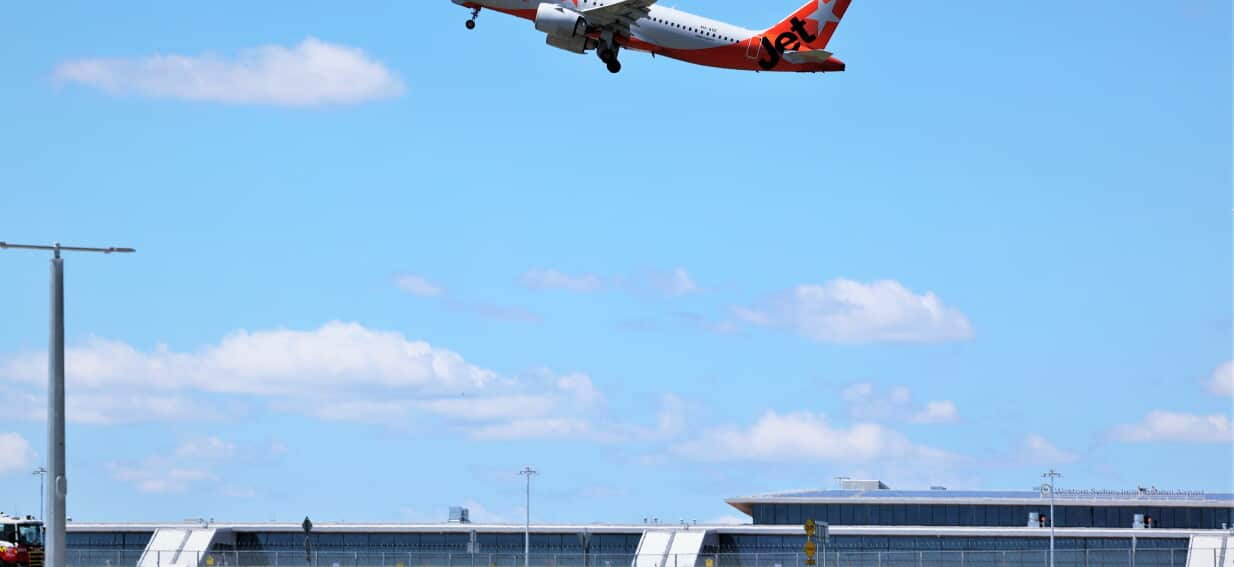
newest Australian airport plans have hit an unexpected snag as a $55 fine uncovers a critical missing link in the transport network.
The controversy centres on the Western Sydney Airport, slated to open in 2026, and a newly announced $55 penalty imposed on a private contractor for failing to complete a vital road connection on time. While the sum may seem modest, industry analysts say the incident highlights broader challenges in synchronising infrastructure delivery across federal, state and local jurisdictions.
Background: The race to complete Western Sydney Airport
Western Sydney Airport, also known as Badgerys Creek, is the first major new greenfield airport in Australia since Melbourne's Tullamarine opened in 1970. The $5.3 billion project is a cornerstone of the federal government's $100 billion infrastructure plan, promising to boost regional employment, increase capacity for international flights and alleviate congestion at Sydney Kingsford Smith.
Construction began in 2018, with the first runway expected to be operational by early 2026. However, the airport's success depends not only on the runway and terminal but also on seamless ground access – a network of highways, public transport links and freight corridors that will feed passengers and cargo into the hub.
The $55 sting: What happened?
In March, the New South Wales Roads and Maritime Services (RMS) issued a $55 infringement notice to a subcontractor responsible for extending the M12 motorway to connect directly with the airport precinct. The notice cited a breach of the contract's deadline for completing a 2.5-kilometre stretch of dual carriageway.
Although the fine appears trivial, the RMS explained that the penalty was part of a broader compliance framework designed to enforce strict timelines across the multi‑billion‑dollar project. The missed link has forced commuters to rely on a temporary detour via the M4, adding an estimated 15 minutes to travel times and raising concerns about traffic congestion on peak days.
Why the missing link matters
Transport economists warn that even minor delays in road connectivity can have outsized effects on airport utilisation. "If passengers cannot reach the airport efficiently, airlines may hesitate to schedule additional services," said Dr Helen McCarthy, senior lecturer at the University of New South Wales. "The $55 fine is symbolic, but it underscores the importance of coordinated delivery."
Local councils have also voiced frustration. The Penrith City Council, which will host part of the airport's catchment area, argues that the delayed road works could hinder planned commercial developments, including a logistics hub and a new business park slated for 2027.
Government response and next steps
Prime Minister Anthony Albanese's office responded swiftly, stating that the government remains committed to delivering the airport on schedule. "We will work with NSW authorities to resolve any bottlenecks and ensure that the infrastructure surrounding the newest Australian airport meets the highest standards," the spokesperson said.
In addition to the road, the New South Wales government is fast‑tracking a rail extension that will link the airport to the existing Sydney Metro network. The rail line, expected to be operational by late 2025, is projected to handle up to 20,000 passengers daily, reducing reliance on road transport.
Industry perspective: Lessons for future projects
Infrastructure consultants suggest that the incident offers a teachable moment for future megaprojects. "Contractual incentives need to be balanced with realistic timelines and clear communication between all parties," noted James O'Leary of Infrastructure Australia. "A $55 fine may seem negligible, but it signals that even small infractions will be scrutinised."
Moreover, the case has reignited debate over the role of private contractors in public works. Some experts advocate for greater government oversight, while others argue that private sector efficiency is essential for delivering large‑scale projects within budget.
What this means for travellers
For the average Australian traveller, the immediate impact is likely limited to a slightly longer drive when using the temporary detour. However, as the airport approaches its opening, the importance of reliable access routes will become more pronounced, especially for business travellers and tourists heading to regional destinations.
Airlines such as Qantas and Virgin Australia have already signalled interest in adding new routes to the airport, contingent on the availability of robust ground transport. "We are eager to launch services once the full suite of access options is in place," said a Qantas spokesperson.
In the meantime, commuters are advised to monitor traffic updates and consider alternative travel times to avoid peak‑hour congestion.
Conclusion
The $55 sting may appear a minor footnote in the saga of the newest Australian airport, but it shines a light on the intricate web of infrastructure that underpins modern air travel. As authorities scramble to plug the missing link, the episode serves as a reminder that every kilometre of road, every rail line and every contractual clause plays a pivotal role in shaping the future of Australia's aviation landscape.