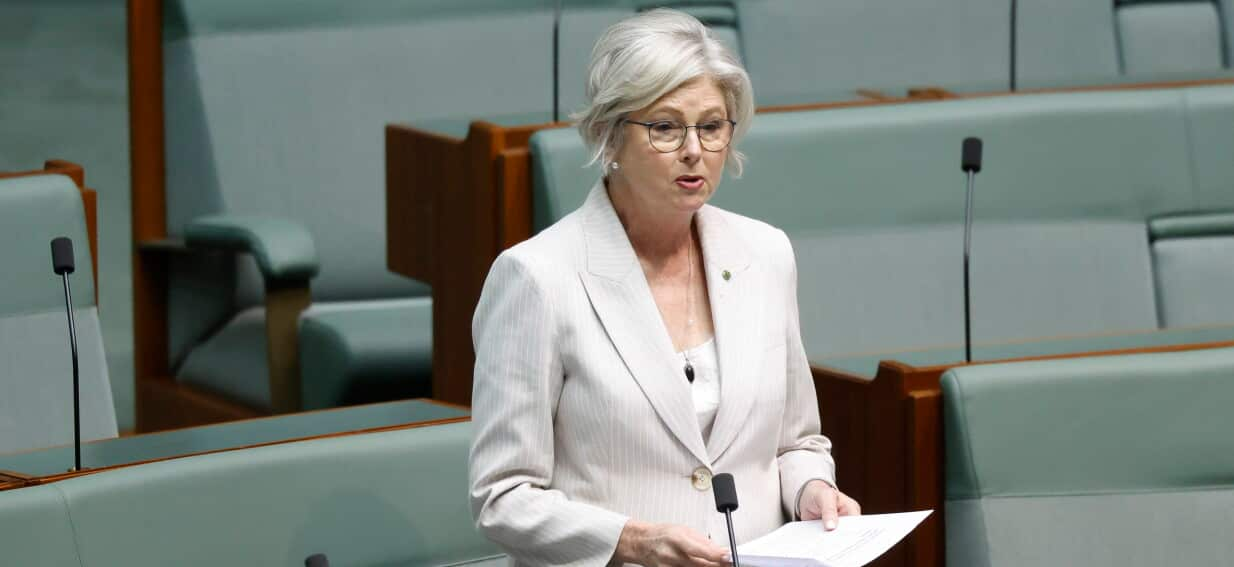
Haines staff trauma was described by aides as a deeply traumatic experience after they cared for the injured MP following the violent assault in Ainslie on Tuesday.
Background to the attack
The incident, which shocked Canberra and the wider Australian community, involved an unidentified assailant who breached the MP's constituency office and assaulted the member of parliament with a blunt instrument. Emergency services responded within minutes, and the MP was rushed to Canberra Hospital where they underwent emergency surgery. The attack has reignited debates about security for elected officials and the safety of staff who work behind the scenes.
First‑hand accounts from the team
Several members of the MP's support team, who have asked to remain anonymous, spoke to reporters about the immediate aftermath. They recounted how they were thrust into a crisis role, providing first aid, comforting shaken constituents, and coordinating with police and medical personnel while still processing the shock of the violence.
"We were trained for constituency work, not for trauma care in a violent incident," one aide said. "The sight of blood, the sound of the sirens, and the realisation that a colleague could be seriously injured – it was overwhelming. It felt like a scene from a thriller, not a day at the office."
Emotional and psychological impact
The staff described a range of reactions, from acute stress and panic attacks to lingering feelings of vulnerability. Many reported flashbacks when passing the office building, and some have taken time off to seek professional counselling. A senior aide explained that the team collectively felt a sense of responsibility to protect the MP’s reputation while also grappling with their own mental health.
"We felt we had to be strong for the MP and the electorate, but inside we were crumbling," another staff member said. "The trauma is not just about the physical injury – it's about the breach of trust in a place we thought was safe."
Institutional response and support measures
In the days after the attack, the Department of Parliamentary Services (DPS) activated its emergency response protocol, providing immediate access to trauma‑informed counselling and arranging debrief sessions for all staff present. The Prime Minister’s Office also issued a statement affirming that the wellbeing of parliamentary employees is a top priority and that additional resources would be allocated for mental‑health support.
Despite these measures, some staff members feel the response was reactive rather than proactive. "We need ongoing support, not just a one‑off counselling session," said a senior adviser. "The trauma will linger, and we need a structured programme to help us rebuild confidence and resilience."
Calls for systemic change
Union representatives for public sector workers have seized on the incident to demand a review of security arrangements across all federal offices. They argue that the current risk assessments are outdated and that staff training should include crisis management and trauma response.
"This is a wake‑up call," said the president of the Australian Public Service Union. "We must ensure that every employee, whether a senior minister or a junior assistant, has the protection and support needed to perform their duties without fearing for their safety."
Broader implications for Australian politics
The attack on the MP, and the subsequent accounts of staff trauma, have sparked a national conversation about the safety of public servants in a climate of heightened political tension. Analysts note that while physical attacks on politicians are rare in Australia, the rise of online harassment and extremist rhetoric creates a volatile environment that can spill over into the physical realm.
Political scientists from the Australian National University warn that without comprehensive security reforms, the risk of similar incidents may increase. "We need a multi‑layered approach that combines physical security, digital monitoring, and robust mental‑health provisions for staff," said Dr Lara Nguyen, a senior lecturer in political violence.
Looking ahead
As the MP begins a period of recovery, the focus remains on rebuilding the office’s operational capacity while prioritising the wellbeing of the team. The incident has also prompted a review of emergency protocols across all parliamentary offices, with a view to implementing more rigorous training and support frameworks.
For the staff who lived through the attack, the journey towards normalcy will be gradual. "We’re grateful for the outpouring of community support," one aide reflected, "but the real healing will take time, and we hope our experience leads to lasting change for everyone who works in the public sphere."