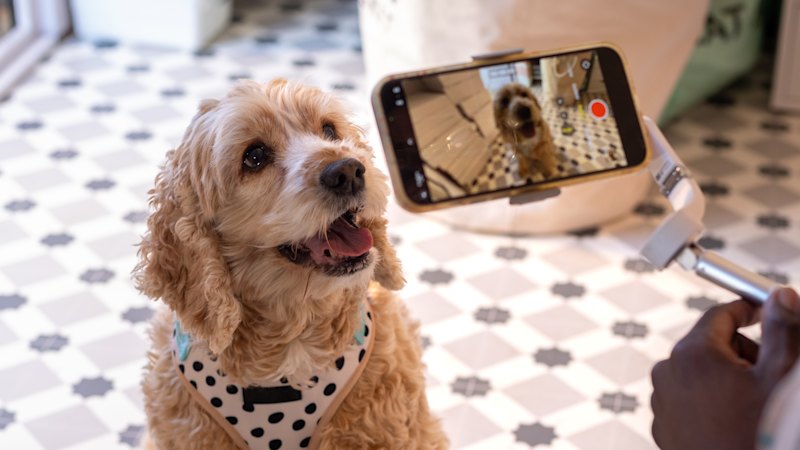
Cavoodle deletion has ignited a heated discussion across Australia about pet data management and digital ethics. While the breed’s popularity has surged in recent years, a recent wave of online users deleting Cavoodle‑related content has raised questions about the responsibilities of social‑media platforms, the rights of pet owners, and the broader implications for digital record‑keeping.
Why the surge in Cavoodle deletions?
The trend began on a popular Australian forum where a user announced they had removed every post, photo and video featuring their beloved Cavoodle, citing personal privacy concerns. Within days, dozens of members followed suit, prompting media outlets to investigate whether the deletions were motivated by a specific incident, a new platform policy, or a growing awareness of data‑privacy laws such as the Australian Privacy Act.
Pet owners and digital footprints
Pet owners increasingly treat their animals as extensions of their online identity. From Instagram reels to TikTok challenges, Cavoodles – a cross between Cavalier King Charles Spaniel and Poodle – have become internet favourites for their affectionate demeanour and hypoallergenic coats. However, every upload creates a digital footprint that can be harvested by advertisers, data brokers and, in rare cases, malicious actors. Deleting this content is seen by some as a proactive step to minimise exposure.
Legal landscape and privacy rights
Australian law currently offers limited protection for animal‑related data. While the Privacy Act safeguards personal information about individuals, it does not explicitly cover images of pets, even when those images are tied to a person’s profile. Legal experts argue that a clearer regulatory framework is needed to address the grey area where pet content intersects with personal data, especially as AI tools become capable of identifying owners through facial recognition.
Platform policies under scrutiny
Major platforms such as Facebook, Instagram and TikTok have responded by reviewing their content‑removal procedures. A spokesperson for Instagram confirmed that users can request the permanent deletion of any post, but warned that cached versions may persist for a limited period. Meanwhile, TikTok announced a pilot programme to automatically flag and remove pet‑related content that users mark as sensitive, sparking debate over censorship versus user control.
Impact on the Cavoodle community
Local Cavoodle clubs and breeders have expressed concern that the deletion trend could diminish the breed’s visibility and affect responsible breeding practices. “Our community thrives on sharing health tips, training videos and success stories,” said Sarah McLeod, president of the Australian Cavoodle Club. “When members erase their content, we lose valuable knowledge that helps new owners provide better care.”
Balancing safety and sharing
Experts suggest a balanced approach: pet owners should audit their privacy settings, limit geotagging, and consider watermarking images to deter unauthorised use. At the same time, platforms could introduce dedicated pet‑profile options that separate animal content from personal data, offering clearer consent mechanisms.
What’s next for digital pet content?
As the conversation evolves, policymakers, tech companies and the Australian pet‑loving public will need to collaborate on standards that protect privacy without stifling community engagement. Whether Cavoodle deletion remains a fleeting trend or sparks lasting change will depend on how quickly legislation catches up with the digital realities of modern pet ownership.